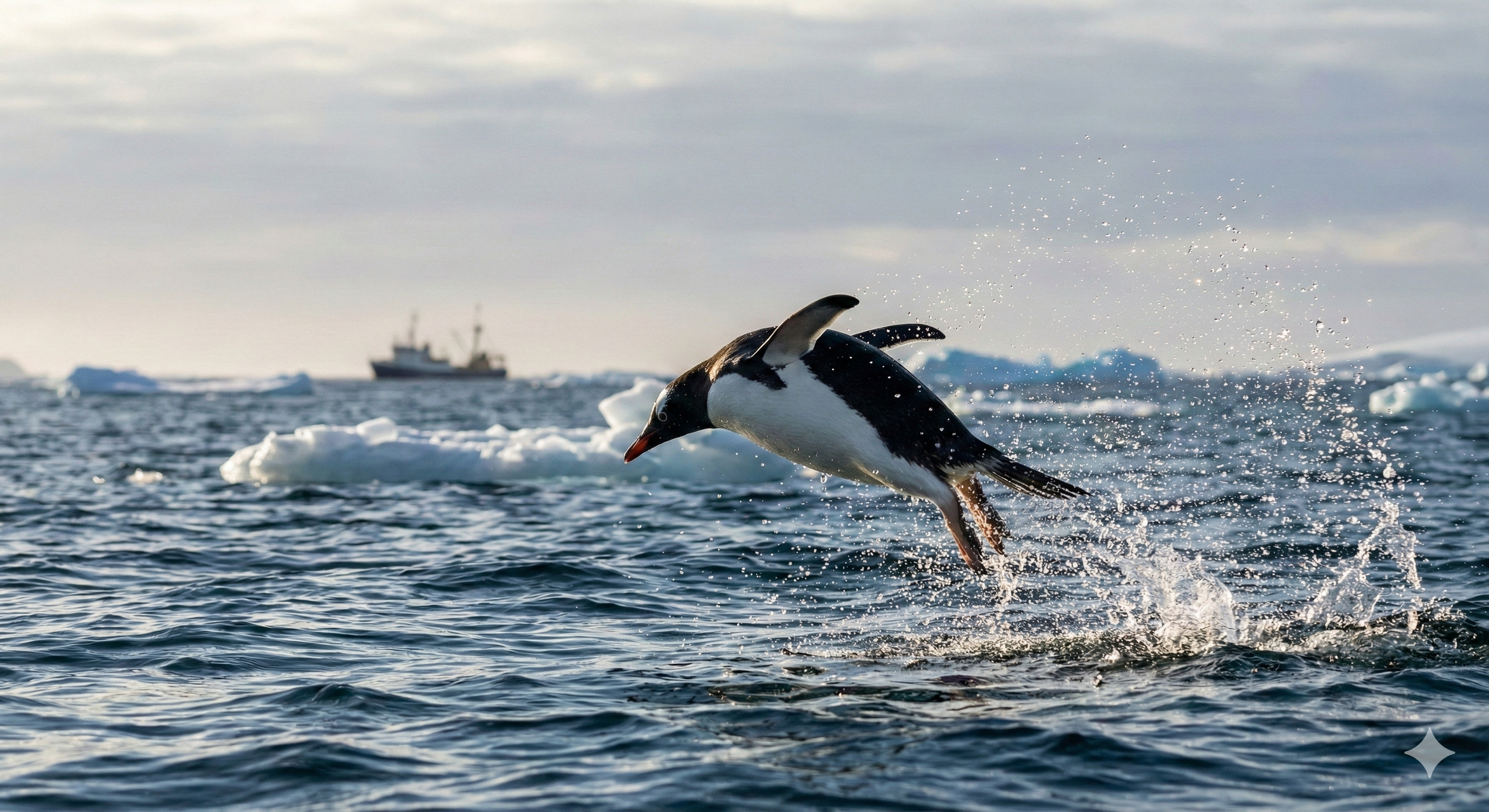
New Research Validates Effectiveness of Industry-Led Penguin Protection Zones
New GPS tracking data confirms ARK’s 40km voluntary buffer zones (VRZ) protects penguin foraging ranges during breeding.
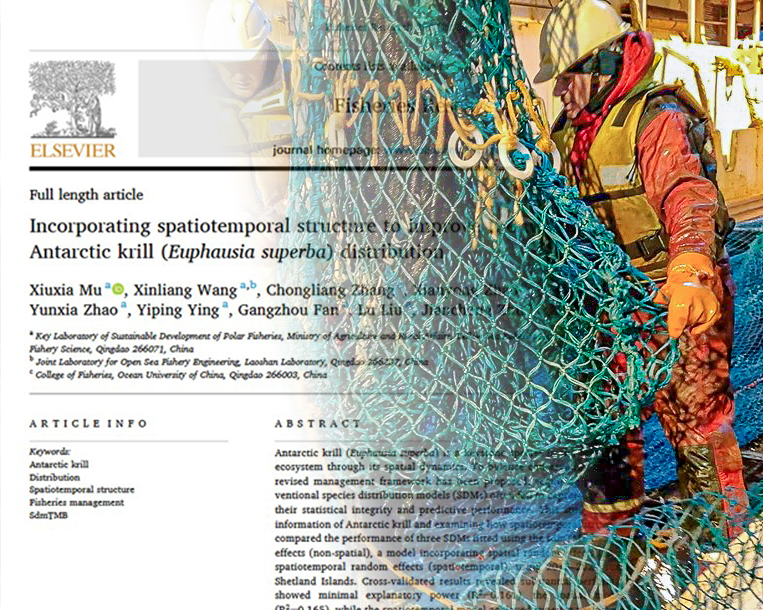
Research enabled by Antarctic krill fishery delivers new insights into krill, predators and ecosystem dynamics
During 2025, 14 peer-reviewed scientific publications were published through collaborations involving ARK members…
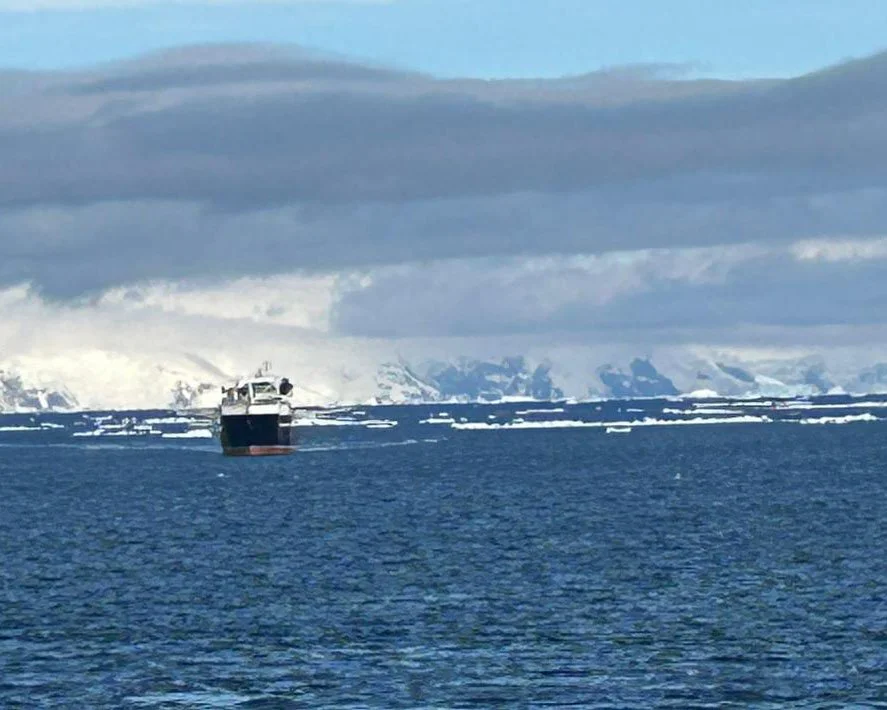
Industry reaffirms spatial protections as fishing resumes at South Orkneys
Abundant sea ice marked the opening of the 2025/2026 fishing season at the South Orkney Islands, but fishery resumes.
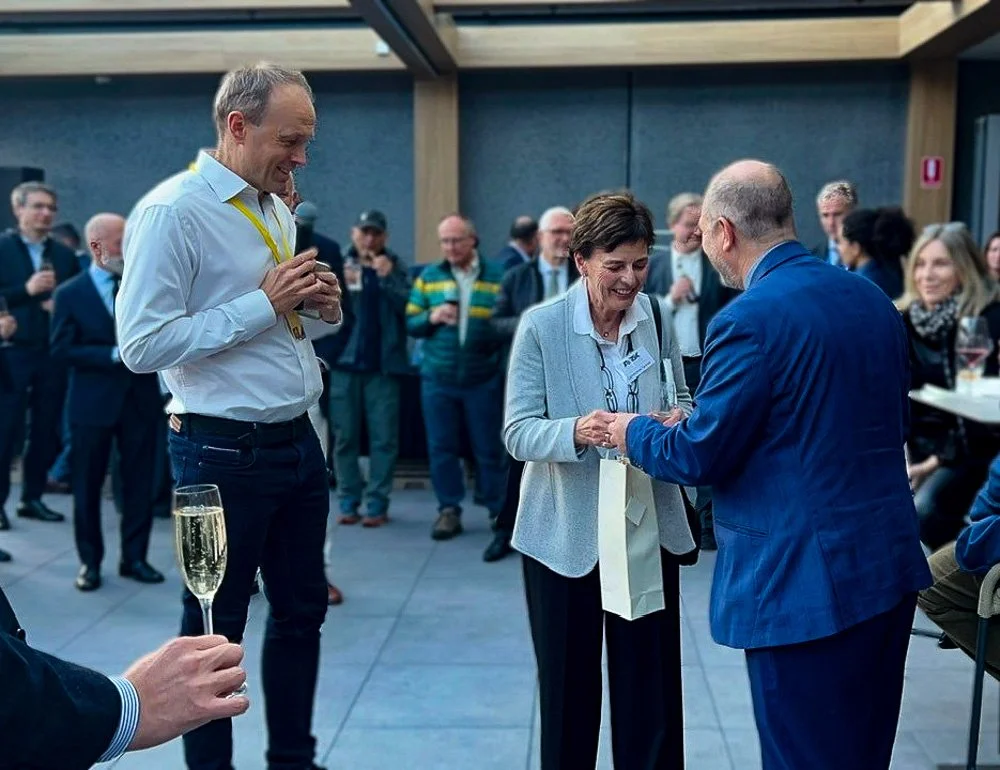
ARK recognises Genevieve Tanner for more than a decade of service
ARK President Pål Skogrand acknowledged the long service of Genevieve Tanner, who is retiring after supporting ARK since 2012

CCAMLR 2025 outlines future path built on dialogue and scientific collaboration
Recent commentary following the CCAMLR 44 annual meeting overlooked an important outcome. Delegates agreed on a structured plan for future work, reaffirming the strength of CCAMLR’s cooperative and science-driven approach. This progress reflects years of collaboration, open dialogue and consistent engagement by all Members, underscoring a shared commitment to advancing a robust management framework for the Antarctic krill fishery.

All time high krill catches and the regulatory and voluntary measures that ensure precaution
The Antarctic krill fishery made headlines this season when, for the first time, the annual catch reached 620,000 tonnes, triggering an early closure of the fishery on 1 August. What does this really mean?


ARK awards inaugural prize to Krill Scientific Observers
The prize recognizes the crucial role of onboard scientific observers in managing the CCAMLR krill fishery.

New research on the underwater interaction between whales and fishing nets promise new insight – and solutions – on entanglements
ARK is taking a proactive stance by co-funding the project “Baleen whales and fishing for Antarctic krill: the role of fishing gear, operational overlap and mitigation efficacy”.

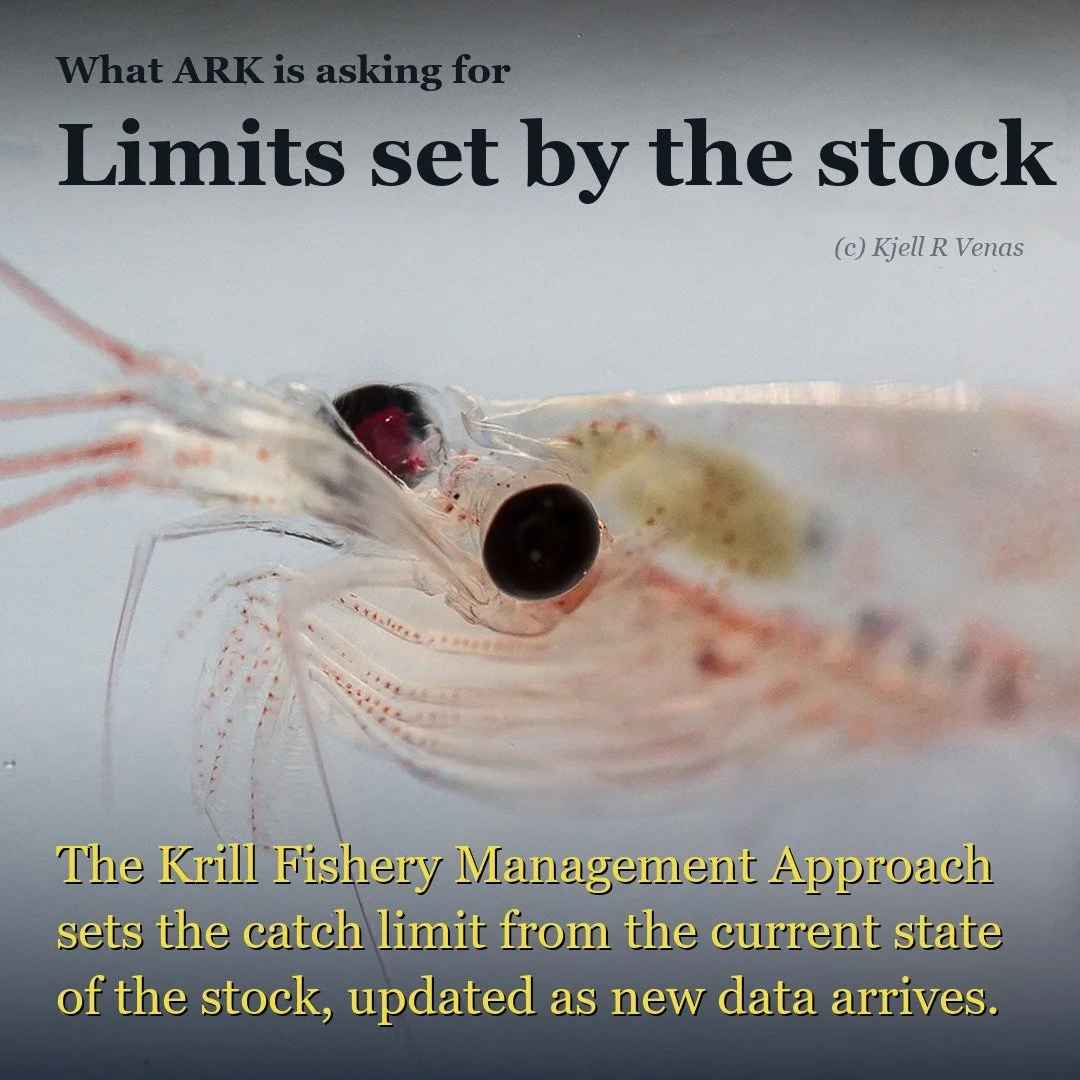
CCAMLR-43 failed to reach an agreement on krill measures
The 43rd annual meeting of CCAMLR ended in disappointment as delegates failed to agree on a revised krill management approach and the establishment of a new Marine Protected Area (MPA) for the Antarctic Peninsula.

Significant progress on progressing krill management and ecosystem protection at CCAMLR Symposium
In a pivotal symposium held in Incheon, Korea, CCAMLR members and stakeholders discussed a revised approach to krill management and the establishment of a Marine Protected Area (MPA) in the Antarctic Peninsula. The symposium was co-sponsored by ARK and ASOC.